
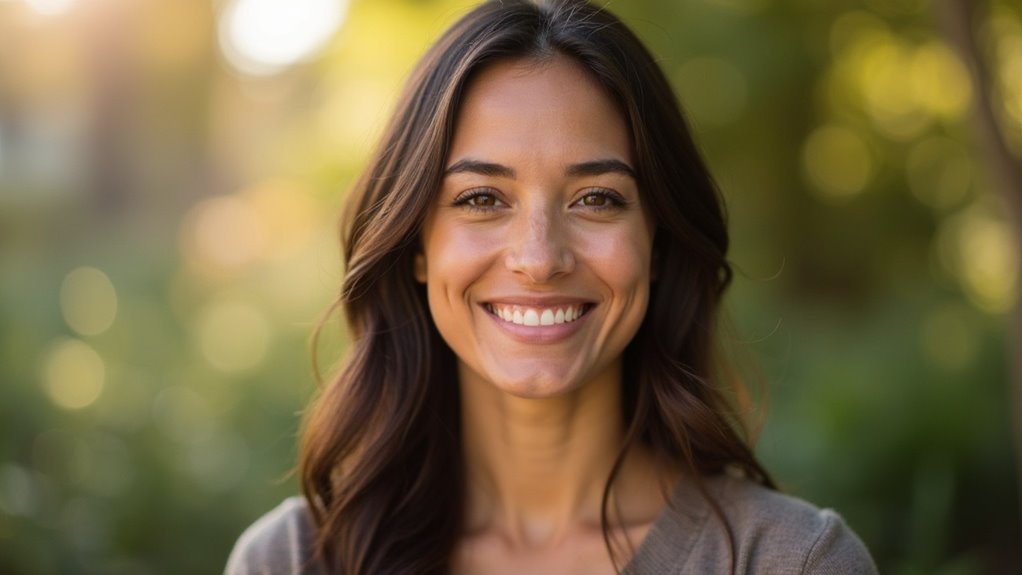
To optimize contributor headshots for clarity, use high-resolution images and maintain proper focus. Choose solid, neutral backgrounds while utilizing soft, diffused lighting to avoid harsh shadows. Position your subjects’ eyes one-third down from the top for balanced composition. Make certain attires are well-fitted and neutral in color, with minimal distractions in grooming. Experimenting with angles and light sources can further enhance the quality. There’s plenty more to explore about creating standout headshots that impress!
Key Takeaways
- Use high-resolution images (300 DPI) to ensure sharpness and prevent pixelation in contributor headshots.
- Employ proper lighting techniques, like soft, diffused light, to enhance facial features and minimize shadows.
- Choose a clean, neutral background to maintain focus on the contributor’s face and convey professionalism.
- Capture headshots in manual mode for precise control over exposure settings, avoiding under or overexposure.
- Regularly update headshots every 1-2 years to keep them relevant and reflective of the contributor’s current appearance.
Understanding the Importance of Clarity in Headshots
When you consider the impact of first impressions, clarity in headshots becomes essential. High-resolution images, ideally 300 DPI, guarantee sharpness, preventing pixelation that detracts from your professional image.
A properly focused headshot emphasizes your features, conveying confidence and approachability, which fosters viewer trust. Utilizing optimized file formats like JPEG or PNG enhances clarity while guaranteeing compatibility across the digital world.
Regular updates every 1-2 years keep your headshot relevant, reflecting your current appearance and professionalism. In a fast-paced environment, clarity is key to making a positive impression and engaging effectively with your audience.
Essential Techniques for High-Quality Headshots
Clear headshots are just the beginning; the techniques you employ can elevate your image even further.
Use a high-quality portrait lens, like a 50mm or 85mm, to achieve a pleasing background blur that enhances your focus. Position your key light above and slightly off-center, utilizing reflectors for balanced, flattering studio lighting.
Keep a clean, uncluttered background with solid neutral colors to complement your attire. Capture your professional headshots in manual mode for control over exposure.
Finally, post-process your images with software like Lightroom to adjust settings while maintaining a natural look, showcasing your genuine smile and relaxed posture, enhancing your personal brand.
Optimizing Lighting for Clearer Images
To achieve clearer images, optimizing your lighting setup is crucial. Utilize soft, diffused natural light by positioning subjects near large windows or shooting on overcast days to minimize harsh shadows.
Implement reflectors to bounce light onto the subject, filling in shadows for enhanced clarity. Avoid direct overhead lighting; instead, aim for light sources at a 45° angle above eye level for best results.
Experiment with different angles and light sources during your shoot to discover which combination enhances visual appeal.
Finally, guarantee proper exposure settings—underexposed images lack clarity, while overexposed ones wash out details in professional photography.
Choosing the Right Background and Composition
A well-chosen background greatly elevates the quality of a contributor headshot. Opt for a clean, neutral background, like a soft gradient or subtle blur, to keep the focus on your face and enhance professionalism.
Proper framing is vital; position your eyes one-third down from the top for balanced composition. Avoid cluttered or distracting elements; a simple backdrop allows your professionalism to shine.
Effective framing is essential; align your eyes one-third down for a balanced look and keep backgrounds simple to enhance professionalism.
If relevant, incorporate industry-specific elements for added context. Finally, verify adequate headroom and crop from mid-chest to just above your head to maximize effectiveness across various platforms.
This thoughtful approach transforms your headshot into a powerful professional tool.
Best Practices for Attire and Grooming in Headshots
While it may seem trivial, the right attire and grooming can greatly impact how your headshot is perceived. Your attire plays a crucial role, so choose solid neutral colors and avoid anything too busy to keep the focus on your face.
Well-fitted outfits and classic cuts guarantee you present a polished appearance that won’t date your image. Pay attention to grooming details; clean, moisturized skin, well-styled hair, and manicured nails create a professional presence.
Use natural-looking makeup to enhance your image subtly, allowing your authentic features to shine through. These choices make a significant difference in how others perceive you.
