
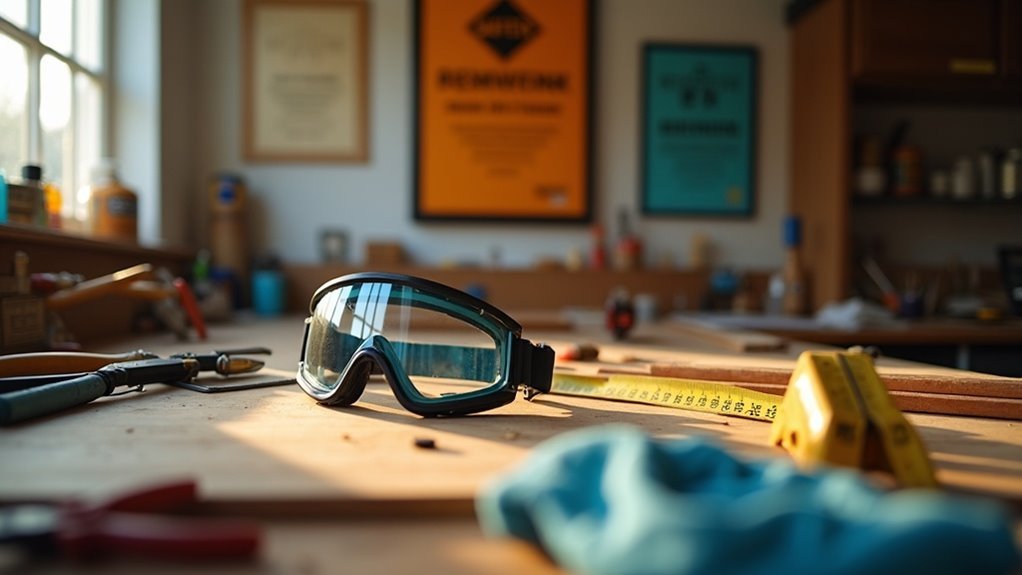
When giving DIY advice, it’s essential to include safety disclaimers to highlight the risks involved. Remind yourself that safety precautions are necessary and that information should only serve an educational purpose. Make sure to stress the importance of following local laws and regulations. By acknowledging your personal limitations and seeking help when needed, you’re fostering a safer DIY environment. Discover how to implement these principles effectively as you continue exploring this topic.
Key Takeaways
- Clearly state that the information provided is for educational purposes and users assume all risks involved in DIY projects.
- Emphasize the importance of adhering to local laws and regulations relevant to DIY activities.
- Encourage users to consult with professionals for complex tasks to ensure safety and compliance.
- Promote the use of appropriate protective gear to mitigate potential hazards during DIY projects.
- Foster a culture of safety by raising awareness about risks and encouraging responsible practices within the DIY community.
The Importance of Safety Disclaimers in DIY Projects
When diving into DIY projects, it’s essential to recognize the importance of safety disclaimers.
These disclaimers not only inform you of inherent risks but also emphasize the need for safety precautions. They clarify that the information provided is for educational purposes, so you assume all risks.
By following safety tips and guidelines, you guarantee compliance with local laws and standards. Always prioritize personal safety by using proper protective gear and tools.
Understanding potential hazards fosters a culture of safety in the DIY community, helping to reduce accidents. Stay informed, stay safe, and enjoy your DIY endeavors responsibly!
Key Elements of Effective Safety Disclaimers
Understanding safety disclaimers is key to ensuring a safe DIY experience.
Understanding safety disclaimers is crucial for a secure and enjoyable DIY journey.
Effective disclaimers should cover essential points to protect you during your projects:
- Clearly state that information is for informational purposes only, and you assume all risks.
- Emphasize adherence to local laws and regulations, as some DIY projects may be illegal in your area.
- Advise consulting professionals for tasks beyond your skill level or that pose safety risks.
How Safety Disclaimers Promote Responsible DIY Practices
Safety disclaimers play an essential role in promoting responsible DIY practices by encouraging you to be cautious and aware of potential risks.
They clearly define your responsibility in using the provided information safely and legally, helping you avoid accidents and legal issues.
Encouraging Caution and Awareness
While starting DIY projects can be exciting, it’s essential to recognize the inherent risks involved.
Safety disclaimers shouldn’t be overlooked; they encourage you to be cautious and aware.
Remember:
- Safety should always come first in any project.
- Wear proper protective gear to reduce the risk of injuries.
- Maintain good practices by consulting professionals for complex tasks.
Defining User Responsibility
When you engage in DIY projects, it’s vital to recognize that you bear the responsibility for your actions. Safety disclaimers remind you to always verify local laws and use tools safely. By taking these precautions, you greatly reduce potential risks.
| Key Points | User Responsibility |
|---|---|
| Verify Local Laws | Stay informed and compliant |
| Use Information Safely | Prioritize safety over recklessness |
| Keep Knowledge Restricted | Avoid sharing with minors or untrained individuals |
Acknowledging user responsibility fosters a culture of caution and diligence, helping you stay safe while enjoying your DIY endeavors.
The Role of Protective Gear in DIY Safety
When tackling DIY projects, wearing the right protective gear is essential for your safety.
Safety goggles, gloves, and sturdy footwear can greatly reduce your risk of injury from tools and materials.
Essential Protective Equipment
To guarantee your safety during DIY projects, wearing the right protective gear is absolutely essential.
Prioritizing essential protective equipment can greatly reduce risks. Remember to:
- Use ANSI-approved safety glasses to prevent up to 90% of eye injuries.
- Wear hearing protection, like noise-reducing ear muffs, when using power tools to avoid permanent hearing loss.
- Equip yourself with sturdy, steel-toed work boots to protect your feet from heavy objects and improve traction.
Proper Gear Usage
Although many DIY projects seem straightforward, the right protective gear can make all the difference in guaranteeing your safety.
Proper gear usage, including personal protective equipment like safety goggles and chemical-resistant gloves, shields you from common hazards. Safety goggles protect your eyes from flying debris, while gloves safeguard your skin from harmful substances.
Don’t forget about respiratory protection for projects involving fumes, and wear steel-toed boots for foot protection to prevent injuries.
Regularly inspect your gear to guarantee it’s effective; worn-out equipment can compromise your safety.
Prioritize your well-being by equipping yourself with the right tools for the job.
Recognizing Personal Limitations and Seeking Professional Help
Recognizing your personal limitations is essential for any DIY project, as it not only keeps you safe but also guarantees the task is done right.
Before diving into complex tasks, assess your skills and consider seeking professional help. This helps you avoid costly mistakes and enhances safety.
- Overestimating your abilities can lead to accidents.
- Professionals offer insights into best practices and advanced techniques.
- Acknowledging your need for assistance fosters collaboration and community engagement.
Ensuring Safety Through Education and Awareness
When starting a DIY project, understanding safety through education and awareness is essential for your well-being. Familiarizing yourself with the tools you’ll use and potential hazards greatly reduces the risk of accidents.
Always prioritize safety by wearing protective gear and following established guidelines. Clear communication about safety protocols helps you grasp the importance of these measures.
Additionally, being aware of local laws and regulations guarantees your projects are completed safely and legally.
Remember, incorporating safety disclaimers in instructional materials reinforces the need for caution and encourages you to seek professional guidance when necessary.
Your safety should always come first!
