
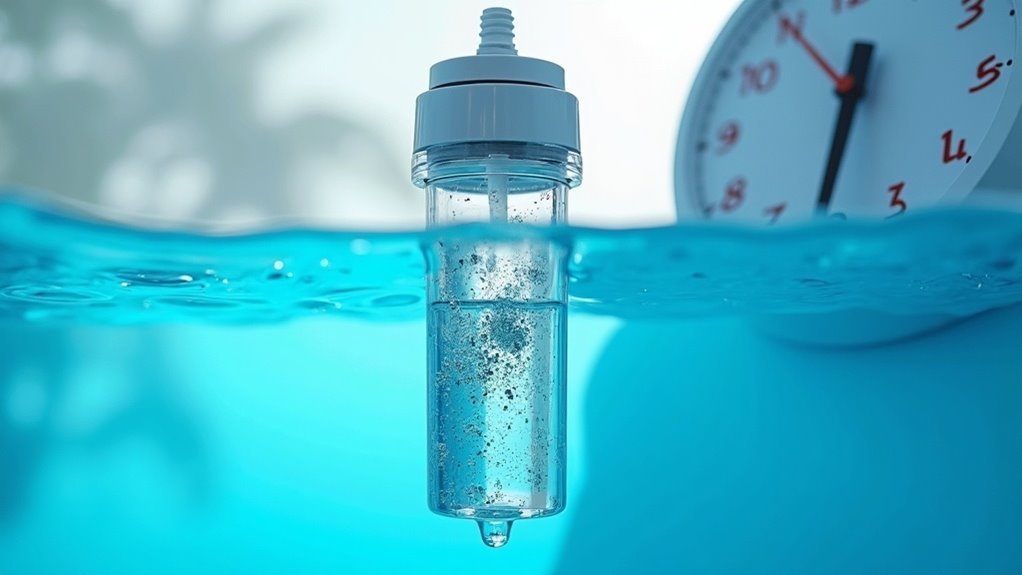
Timely filter replacement matters because it directly impacts your indoor air quality and HVAC efficiency. Neglecting this task can lead to clogged filters that trap pollutants, resulting in health risks and increased energy costs. By replacing filters as needed, you enhance system performance and prevent costly repairs. Additionally, various factors like water quality and usage affect filter lifespan. By understanding these elements, you can guarantee peak filtration and system health, opening the door to enhanced maintenance strategies.
Key Takeaways
- Timely filter replacements maintain indoor air quality, reducing health risks from trapped pollutants and allergens.
- Regular filter changes enhance HVAC efficiency, potentially lowering energy costs by 5-15%.
- Neglected filters can lead to costly repairs and increased strain on equipment, shortening its lifespan.
- Changes in water taste, odor, or clarity indicate compromised filtration, necessitating prompt replacements.
- Establishing a replacement schedule helps prevent clogging and ensures optimal performance of filtration systems.
The Importance of Timely Filter Replacement
When you neglect timely filter replacement, you’re not just risking your indoor air quality; you’re also compromising your health and well-being.
Clogged filters trap pollutants and allergens, leading to poor air quality that can harm you and your family.
Clogged filters capture harmful pollutants and allergens, jeopardizing your family’s health and indoor air quality.
Regular filter maintenance enhances HVAC system efficiency, potentially lowering energy costs by 5-15% and extending equipment lifespan.
Adhering to a replacement schedule prevents costly repairs and downtime due to equipment strain.
Additionally, timely filter changes guarantee compliance with regulations, safeguarding your brand reputation against quality and safety issues caused by unchecked contaminants.
Prioritize filter replacement for a healthier environment.
Factors Influencing Filter Lifespan
Several factors influence the lifespan of filters, making it essential to understand how each element impacts performance. Water quality plays a significant role, as urban sources often lead to quicker filter degradation. Additionally, higher water usage results in a need for more frequent replacement filters. Advanced filter technology can enhance durability and efficiency, while regular maintenance practices, like cleaning and leak checks, help prevent clogged filters. Finally, environmental conditions, such as temperature and humidity, affect performance, necessitating adjustments in your replacement schedules.
| Factor | Impact on Lifespan | Considerations |
|---|---|---|
| Water Quality | Higher contaminants = faster degradation | Urban vs. rural sources |
| Water Usage | Increased use = quicker capacity reach | Estimate daily consumption |
| Filter Technology | Advanced models last longer | Evaluate technology before purchase |
| Environmental Conditions | Variability affects performance | Monitor temperature and humidity |
Signs That Indicate It’s Time for a Change
Recognizing the signs that it’s time for a filter change is vital for maintaining water quality and system efficiency.
Decreased water flow rate often indicates clogging, prompting necessary filter replacements. If you notice changes in water taste or odor, such as a metallic or chlorine flavor, your filter’s effectiveness may be compromised.
Visible dirt or sediment in your filtered water is another clear indicator that a change is overdue.
Regularly monitoring performance indicators like water clarity and flow rate can help you avoid appliance repairs and guarantee ideal filtration, making timely filter changes essential for consistent performance.
Consequences of Neglecting Filter Replacement
Ignoring the need for timely filter replacements can lead to serious consequences that affect both water quality and system efficiency. Neglecting this maintenance can result in decreased water flow rates, allowing harmful substances to pass through. You may notice unpleasant odors and tastes, as clogged filters accumulate impurities. Additionally, appliances work harder due to these blockages, increasing energy costs and risking expensive repairs. Over time, procrastination leads to scale buildup and decreased efficiency, ultimately compromising overall functionality. Understanding these consequences highlights the importance of regular filter replacement.
| Consequence | Impact on Water Quality | Impact on System Efficiency |
|---|---|---|
| Decreased water flow rates | High risk of contaminants | Increased energy costs |
| Harmful substances present | Compromised safety | Potential appliance damage |
| Unpleasant odors | Poor taste | Reduced performance |
| Clogged filters | Impaired filtration | Scale buildup |
| Decreased efficiency | Lower water quality | Higher maintenance costs |
Best Practices for Maintaining Filter Efficiency
To maintain ideal filter efficiency, it’s essential to adopt a proactive approach to monitoring and replacement schedules. Regularly check differential pressure; replace filters when pressure drops double from the initial measurement.
Establish a replacement schedule based on filter type—fiberglass filters typically need monthly changes, while pleated filters should be replaced every 90 days. Keep a record of replacement dates to track filter lifespan and maintain indoor air quality.
Consult professionals for tailored recommendations based on your specific conditions. If available, use filter indicators to signal necessary changes, ensuring optimal airflow and clean air in your environment.
